Entry · Ref 0IQ1VJST
The Real Cost of Ignoring Residential Foundation Repair in Norfolk County
- Posted
- 2026-10-08
- Last amended
- 2026-10-08
- Account
- @residentialfoundationzone
Living in Norfolk County, Ontario means getting used to the seasons. The freeze-thaw cycles here are no joke, and neither is the ground movement they cause. I have spent enough years working with concrete to know that a crack in your foundation is never just a crack. It is a signal that something below the surface is shifting, and that signal gets louder every winter. If you own a home in this region, understanding what goes into residential foundation repair can save you a lot more than just your concrete slab.
What Makes Norfolk County Ground So Unpredictable
The soil profile around here is a mix of glacial till and pockets of expansive clay soil. That clay is the real troublemaker. It soaks up moisture in the spring and swells, then dries out and shrinks in the summer. This constant expansion and contraction puts serious stress on any foundation, especially older pier and beam foundations that were never designed for that kind of movement. I have seen homes where the ground heaving lifted a corner of the house by nearly two inches over a single wet season. That kind of shift does not just crack your foundation; it racks your framing, jams your doors, and can even snap your sump pump discharge line if it runs through the slab.
Frost depth in Ontario is typically around four feet, but local variations in Norfolk County can push that deeper in exposed areas. If your foundation footings were not poured below that frost line, you are essentially betting against physics every winter. A proper residential foundation repair job always starts with understanding exactly what the ground is doing under your house. That is why any contractor worth their salt will walk your property, check the drainage patterns, and look at the existing concrete slab before they even talk about a free quote. A free quote is not just a price; it is a diagnosis.
Spotting the Signs Early
Most homeowners notice the cracks first, but they do not always know which ones matter. Hairline cracks in a poured concrete wall are common and often cosmetic. But once you see a crack wider than a quarter-inch, or one that runs horizontally across the wall, you are past the cosmetic stage. Horizontal cracks mean there is lateral pressure, usually from soil pushing against the wall. That pressure can be from poor drainage, a leaking downspout, or just the natural expansion of that expansive clay soil after a wet spring.
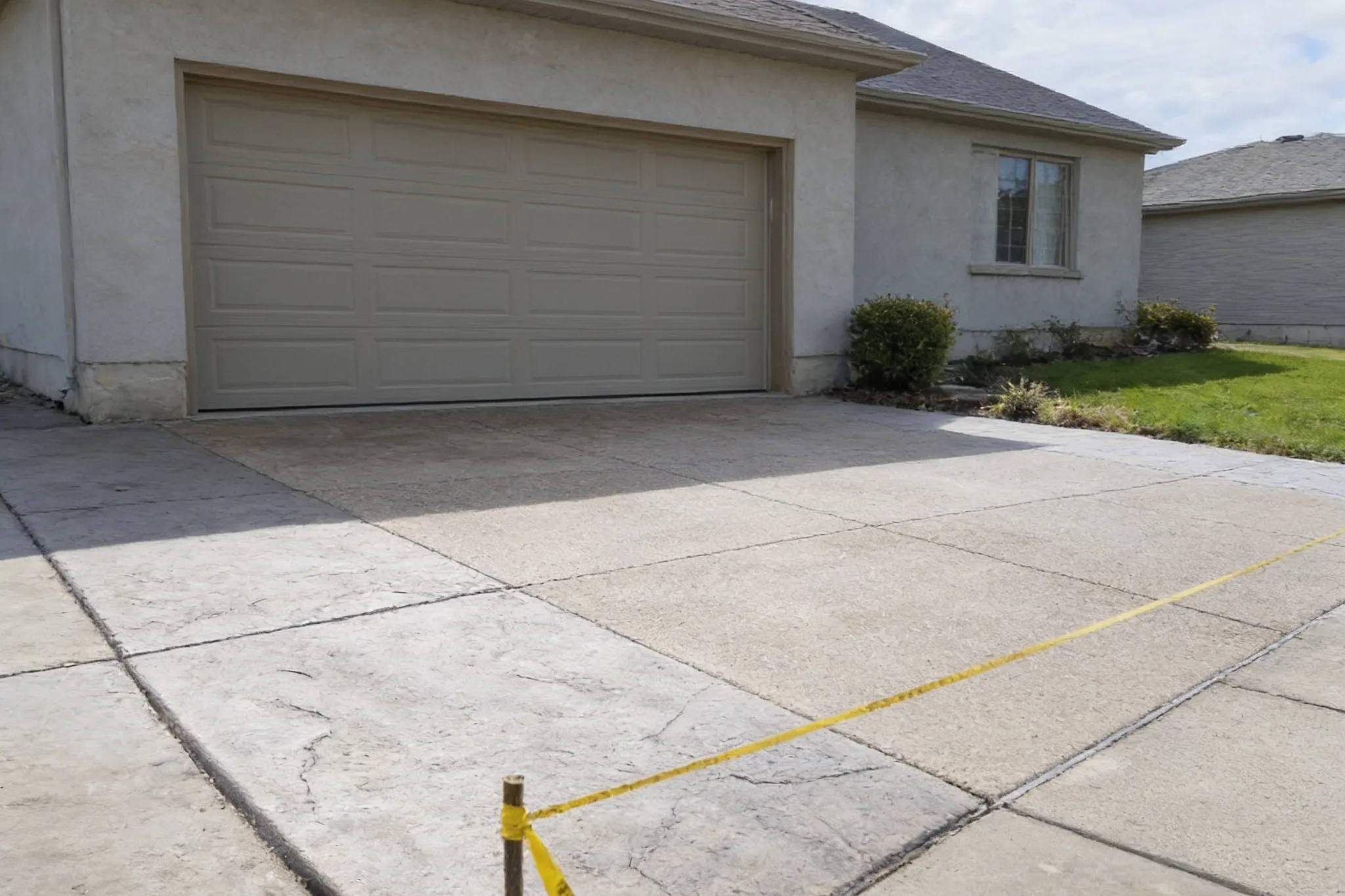
Another telltale sign is a door that sticks in summer but swings freely in winter. That is the frame racking as the foundation moves. I have been to houses where the homeowner had been shaving the bottom of the same door for three years, never realizing it was the house shifting, not the wood swelling. A proper residential foundation repair plan needs to address the cause, not just patch the symptom. Foundation crack injection with polyurethane foam can seal a crack and stop water entry, but it will not stop the movement. If the ground is still moving, the foam will eventually tear.
Methods That Actually Work
There is no one-size-fits-all approach to fixing a foundation in Norfolk County. The method depends on the type of foundation you have and what is causing the problem. For poured concrete walls with vertical cracks, foundation crack injection using a flexible polyurethane foam works well. You inject it under low pressure, and it expands to fill the crack. It bonds to the concrete and stays elastic enough to handle minor thermal movement. I have used this technique on dozens of homes and it holds up well as long as the drainage is fixed first.
For more serious settlement, especially with pier and beam foundations, you often need to lift the structure and install new supports. Helical Piers are a solid option for this in Norfolk County. They are steel piles that screw into the ground until they hit load-bearing soil. You can install them with a mini excavator, and they do not require curing time like concrete. I have seen Helical Piers hold a house steady even where the original footings had settled several inches. They are not cheap, but they are permanent.
If the existing concrete slab is heaved or cracked, sometimes the best call is to remove the damaged section and repour it with proper reinforcement. That means using rebar tied to the existing steel, and pouring a mix that meets CSA A23.1 standards. That standard governs concrete strength and durability in Canadian climates. It matters because the freeze-thaw cycle here will destroy a weak mix in three winters. Portland cement content has to be right, air entrainment has to be right, and the finish has to slope away from the house. I have seen too many slab replacements fail because the contractor skimped on the mix or forgot to install a vapor barrier.
Why You Want a Union-Certified Crew
Foundation work is structural work. It is not a weekend project. When you hire a union-certified crew, you are getting people who have been through apprenticeship programs and know how to handle rebar, formwork, and concrete placement properly. They also carry the right insurance and understand site safety. I have worked alongside crews from Lawrence & Son Concrete on several jobs, and the difference in attention to detail is obvious. They take the time to set forms level, tie rebar at the right spacing, and cure the concrete properly. A rushed pour might look fine for a year, but it will crack at the cold joints and let water in. A union-certified crew knows that speed is less important than getting the mix right on a cold October morning.
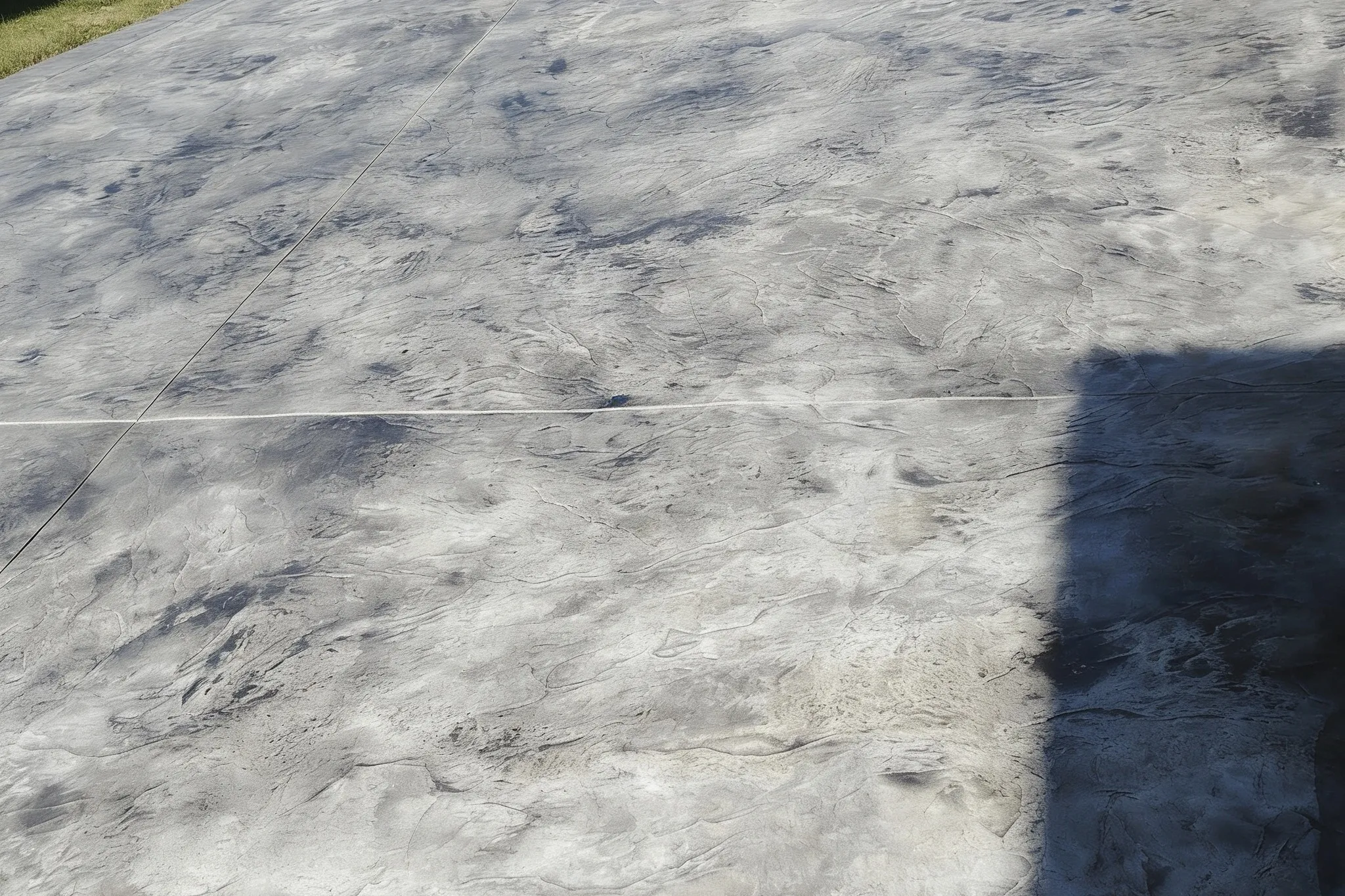
The CPCA, or Canadian Precast/Prestressed Concrete Institute, provides training and standards that many top contractors follow. While not every residential crew is CPCA-certified, the best ones incorporate those standards into their work. It is worth asking any contractor you get a free quote from whether they follow CSA A23.1 and what their experience is with local soil conditions. A contractor who can talk knowledgeably about ground heaving, frost depth, and expansive clay soil is a contractor who has seen your problem before.
Driveway Repair and Patio Leveling Are Connected
It might seem odd to bring up driveway repair in an article about foundations, but the two are often linked in Norfolk County. If your driveway is settling or cracking, the same soil movement is likely affecting your foundation. Water runs off a settled driveway toward the house, saturating the soil around the foundation wall. That adds to the ground heaving problem. Similarly, patio leveling is not just about aesthetics. A patio that slopes toward the house channels water right where you do not want it. Fixing these surface issues is often the first and most cost-effective step in protecting your foundation. A good contractor will point that out during a free quote, even if it means a smaller job for them.
What a Free Quote Should Cover
A free quote for residential foundation repair should never be a number scribbled on a business card. It should include a walkaround of the property, a look at the cracks, a check of the grading and downspouts, and a conversation about what is causing the problem. The contractor should explain whether they recommend foundation crack injection, underpinning with Helical Piers, or a partial slab replacement. They should also tell you what they cannot guarantee. No one can promise a foundation will never move again, but they can promise to follow the right methods and use materials that match the climate.
I have been on quotes where the customer just wanted the crack filled and did not care about drainage. Those jobs always come back. You can inject all the polyurethane foam you want, but if the water is still pooling against the wall, the crack will reopen. A honest contractor will tell you that upfront, even if it means you decide not to hire them. That is the kind of advice that saves you money in the long run.

Final Thoughts on Protecting Your Home
Foundations are not glamorous, but they are the most important part of your house. In Norfolk County, where the ground moves with every season and the frost goes deep, ignoring a crack is expensive. A timely residential foundation repair that addresses the cause, not just the symptom, will protect your home for decades. Whether that means a simple crack injection or a full underpinning with Helical Piers, the key is acting early and working with people who understand the local soil, the local climate, and the right way to place concrete.
If you are seeing cracks, sticking doors, or water in your basement, do not wait. Get a free quote from a contractor who knows Norfolk County and uses union-certified crews. Ask about their experience with expansive clay soil and frost depth. Ask if they follow CSA A23.1. And if they recommend fixing your grading or driveway repair as part of the job, listen. They are not trying to upsell you. They are trying to make sure the repair lasts.